

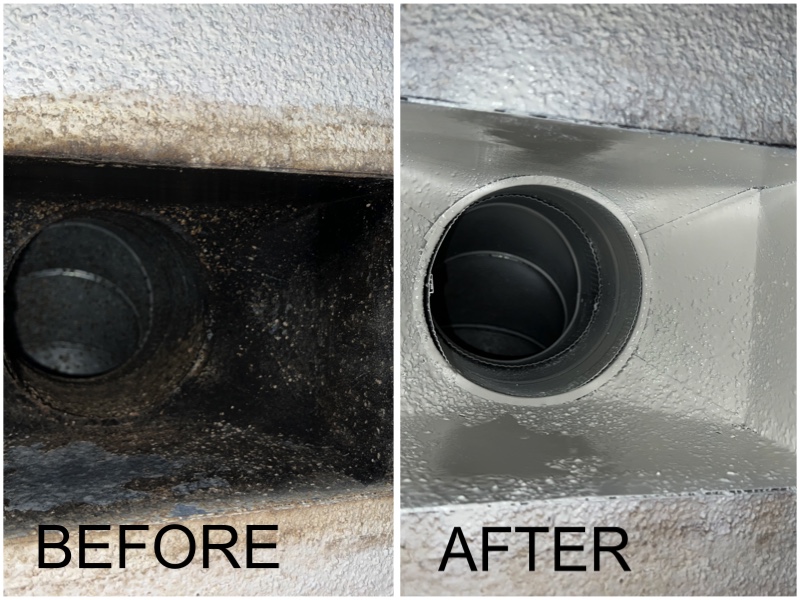
In Palm Harbor, Florida, the same warm, humid Gulf air that makes Pinellas County such a beautiful place to live is also perfect for growing mold inside your HVAC system. Mold thrives where it is warm, damp, and poorly ventilated, and the ducts and cooling coils of a hard-working air conditioner check every one of those boxes. Left unchecked, HVAC mold can trigger allergies and respiratory problems and lead to expensive repairs.
Moisture is the number one culprit. Condensation from your air conditioner, small leaks in the ductwork, and Central West Florida’s famously high humidity all feed the problem. Add the dust, pollen, and organic debris that collect inside an HVAC system, and mold spores suddenly have both the moisture and the food source they need to spread. Understanding these causes is the first step toward keeping the air in your Palm Harbor home clean and healthy.
Key Takeaways
- HVAC mold is driven by moisture, poor ventilation, and organic buildup — all common in humid Palm Harbor.
- Routine maintenance and cleaning are the most effective ways to prevent mold and protect your air quality.
- Good airflow throughout the system keeps humidity down and discourages mold.
- Controlling indoor humidity between 30% and 50% is essential in Pinellas County’s climate.
- Quality air filters, UV purifiers, and professional air-duct sanitization add powerful layers of protection.
Regular Maintenance and Cleaning of Your HVAC System
Routine maintenance is your best defense against mold. Palm Harbor homeowners should schedule a professional inspection and cleaning at least once a year, ideally before the long cooling season begins. During that visit, a qualified technician checks for early signs of mold, cleans the coils and drain pans, and confirms every component is working as it should. This proactive approach prevents mold and extends the life of your equipment.
Between professional visits, there is plenty you can do yourself. Changing your air filters on schedule is the simplest, most effective habit — clogged filters restrict airflow and trap the very moisture mold loves. Keeping vents and returns free of dust also helps. Small, consistent steps go a long way toward keeping your system clean.
Proper Ventilation and Airflow

Airflow matters more than most homeowners realize. When air cannot circulate freely, it goes stagnant, humidity climbs, and mold gets the environment it needs. Make sure vents and registers are never blocked by furniture, rugs, or storage, and keep interior doors open enough to let air move through the home.
System sizing plays a role too. An oversized unit short-cycles and never runs long enough to pull humidity out of the air, while an undersized unit struggles to keep up in the Florida heat. Both leave you with damp, mold-friendly conditions. A professional can confirm your system is correctly sized for your Palm Harbor home.
Controlling Humidity in Central West Florida
In Pinellas County, humidity control is everything. High moisture leads to condensation on cooling coils and ductwork — an open invitation to mold. Aim to keep indoor humidity between 30% and 50% for both comfort and health. A whole-home dehumidifier paired with your HVAC system is one of the most reliable ways to hit that range during our long, muggy summers and hurricane season.
Everyday habits add up as well. Cooking, showering, and running humidifiers all push indoor moisture higher, so use exhaust fans and keep an eye on your thermostat’s humidity reading. Combined with regular maintenance that catches drainage or leak issues early, these small measures keep mold from ever getting started.
High-Quality Air Filters and UV Purifiers
Standard filters often miss the tiny mold spores and allergens circulating through Florida air. Upgrading to a filter with a higher MERV rating captures far more of those particles — just be sure to change it on schedule so airflow stays strong. For an extra layer of defense, a UV air purifier installed inside the system uses ultraviolet light to neutralize mold spores and other microorganisms as air passes over the coils. Together, quality filtration and UV treatment give Palm Harbor homes a serious edge against mold and poor indoor air.
Inspecting and Sealing Ductwork
Leaky, poorly insulated ducts are a hidden source of moisture. Have your ductwork inspected regularly so a technician can spot and seal air leaks with mastic or metal tape, which also improves overall efficiency. Proper insulation is just as important — it prevents condensation from forming on cold duct surfaces, cutting off the moisture that feeds mold. Periodic duct cleaning removes the accumulated dust and debris that would otherwise give spores a foothold.
Professional Air-Duct Sanitization and Mold Remediation
If mold has already taken hold, professional inspection and remediation are essential — this is not a job to tackle alone, since disturbing mold improperly can spread it and put your family’s health at risk. A qualified technician assesses your system and surrounding areas, identifies the moisture source, and safely removes contamination using specialized equipment and antimicrobial air-duct sanitization treatments that discourage future growth.
Clean Air Pros is a family-owned, NADCA member air quality company serving Palm Harbor and Central West Florida. We hold an A+ rating from the BBB and a 5.0-star rating from 235 Google reviews — a track record of homeowners who trusted us with their air-duct cleaning, sanitization, and HVAC care and were glad they did. Whether you want to prevent mold or address an existing problem, our team delivers reliable, honest work tailored to your home.
Protect Your Palm Harbor Home Today
Do not wait until a musty smell or an allergy flare-up tells you mold has moved in. A quick professional inspection now can save you from costly remediation later and keep your indoor air fresh through every humid Florida season. Call Clean Air Pros at (813) 362-0667 for a free quote, and breathe easier knowing your HVAC system and ductwork are in expert hands.
Frequently Asked Questions
What causes mold in HVAC systems in Palm Harbor?
Mold in Palm Harbor HVAC systems is usually caused by high humidity, condensation on cooling coils, and moisture buildup inside the ducts. Central West Florida’s warm, damp climate creates ideal conditions for spores to grow year-round.
How does HVAC mold affect indoor air quality?
Mold in your HVAC system can release spores and mycotoxins into the air every time the unit runs. This can lead to respiratory issues, worsened allergies, and general discomfort for everyone in the home.
What are the signs of mold in an HVAC system?
Common warning signs include a musty odor when the AC runs, visible growth on vents or ductwork, increased allergy symptoms among household members, and a persistent stuffy feeling indoors.
How can I prevent HVAC mold in Palm Harbor?
Control indoor humidity to 30–50%, schedule annual professional maintenance, change air filters regularly, ensure proper drainage and duct insulation, and address any leaks or condensation promptly. Professional air-duct sanitization adds strong protection.
Why is preventing HVAC mold so important?
Prevention protects your indoor air quality, safeguards your family’s health, and extends the life of your HVAC system. Because remediation is costly and disruptive, stopping mold before it starts is always the smarter approach.
Want this looked at?
Leave your name and number and one of our technicians will call you back to talk it through - no pressure, and a free quote if you want one.
