
Mold, dust, and allergens are more than just nuisances in our living spaces; they pose significant health risks that can affect anyone, particularly those with pre-existing respiratory conditions or weakened immune systems. Mold spores can trigger allergic reactions, asthma attacks, and other respiratory issues. The presence of mold in a home can lead to symptoms such as coughing, sneezing, and skin irritation.
In some cases, prolonged exposure to mold can result in more severe health complications, including chronic lung diseases. Understanding these risks is crucial for maintaining a healthy living environment. Dust, on the other hand, is a common household irritant that can accumulate in various areas of the home.
It consists of tiny particles that can include dirt, pollen, pet dander, and even microscopic organisms like dust mites. When inhaled, these particles can exacerbate allergies and asthma symptoms. Allergens such as pollen, pet dander, and mold spores can trigger immune responses in sensitive individuals, leading to discomfort and health issues.
By recognizing the health risks associated with mold, dust, and allergens, homeowners can take proactive steps to mitigate their impact on indoor air quality.
Key Takeaways
- Mold, dust, and allergens can pose serious health risks, including respiratory issues and allergies.
- Common areas for mold, dust, and allergen build-up include bathrooms, kitchens, and areas with poor ventilation.
- Effective mold removal involves identifying and fixing the source of moisture, cleaning and disinfecting the affected area, and ensuring proper ventilation.
- Dust elimination in the home can be achieved through regular cleaning, using a HEPA filter vacuum, and minimizing clutter.
- Allergen-proofing your living space involves using allergen-proof covers for bedding, regularly washing bedding and curtains, and keeping pets out of bedrooms.
Identifying Common Areas for Mold, Dust, and Allergen Build-Up
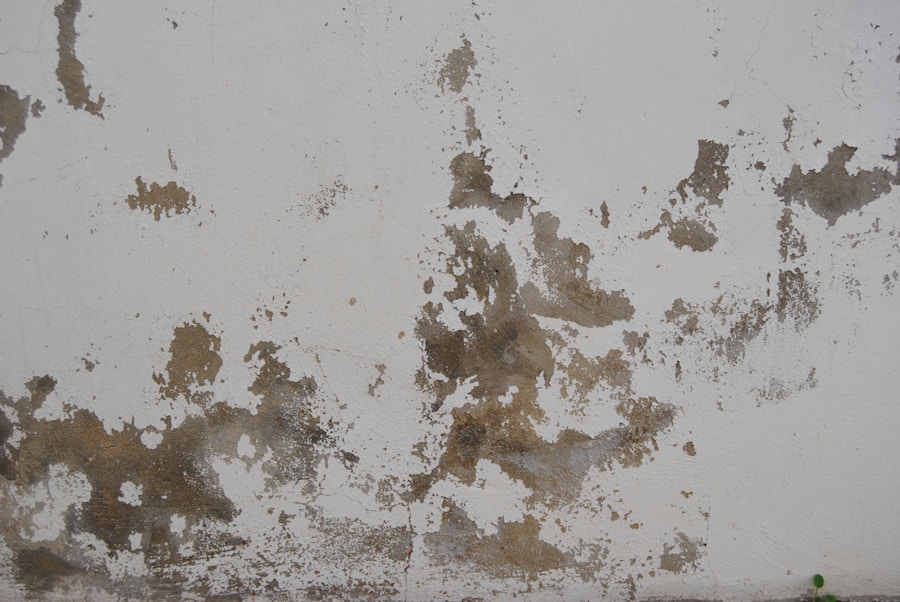
To effectively combat mold, dust, and allergens in your home, it is essential to identify the common areas where these irritants tend to accumulate. Mold thrives in damp and humid environments, making bathrooms, kitchens, and basements prime locations for growth. Areas with poor ventilation or water leaks are particularly susceptible to mold infestations.
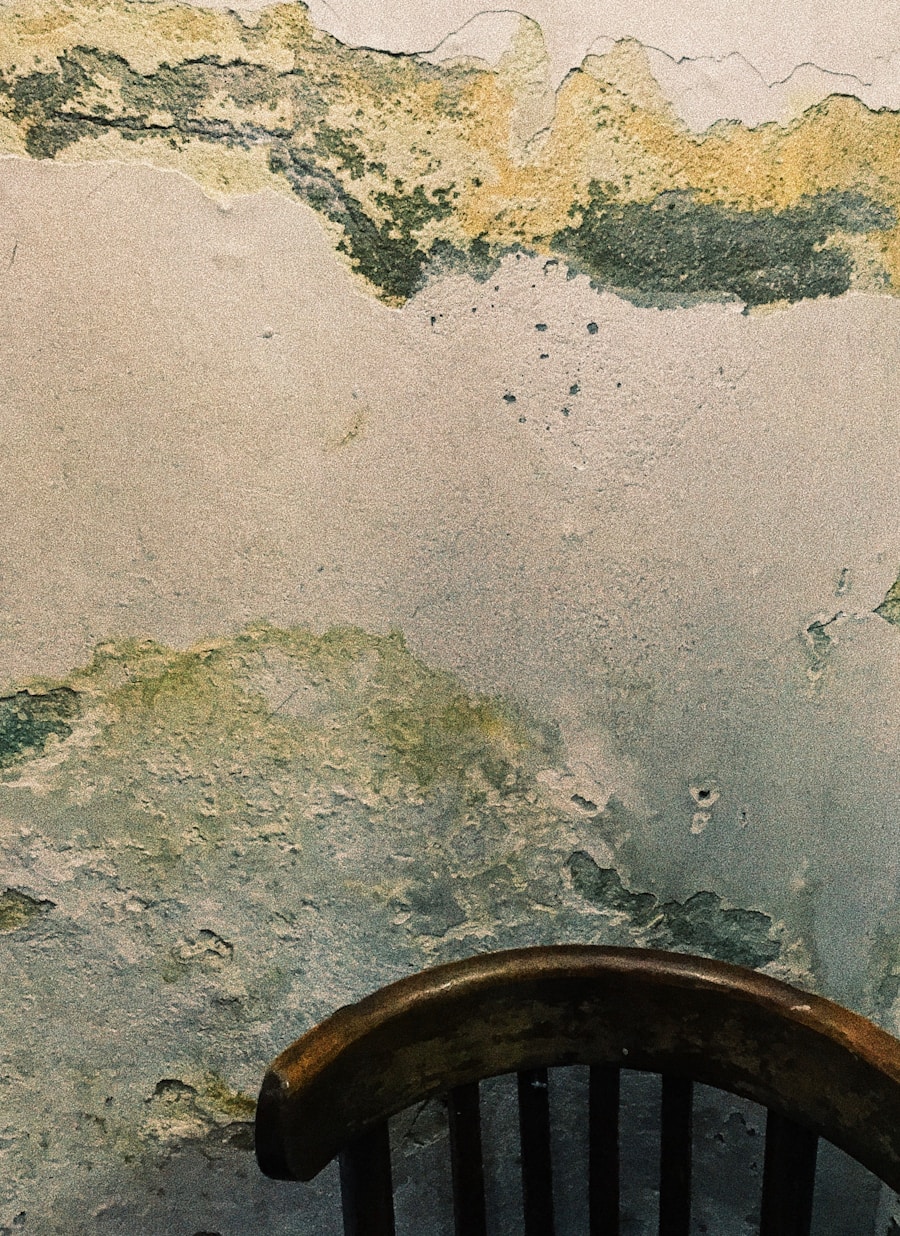
Regularly inspecting these spaces for signs of mold growth—such as discoloration on walls or ceilings—can help catch problems early before they escalate. Dust tends to settle in areas that are less frequently cleaned or disturbed. Common hotspots include carpets, upholstery, and behind furniture.
Additionally, dust can accumulate on surfaces like shelves and baseboards. It is also important to consider air ducts and filters in your heating and cooling systems; these can harbor dust and allergens that circulate throughout your home. By being aware of these common areas for build-up, homeowners can implement targeted cleaning strategies to reduce the presence of mold, dust, and allergens.
Steps for Effective Mold Removal
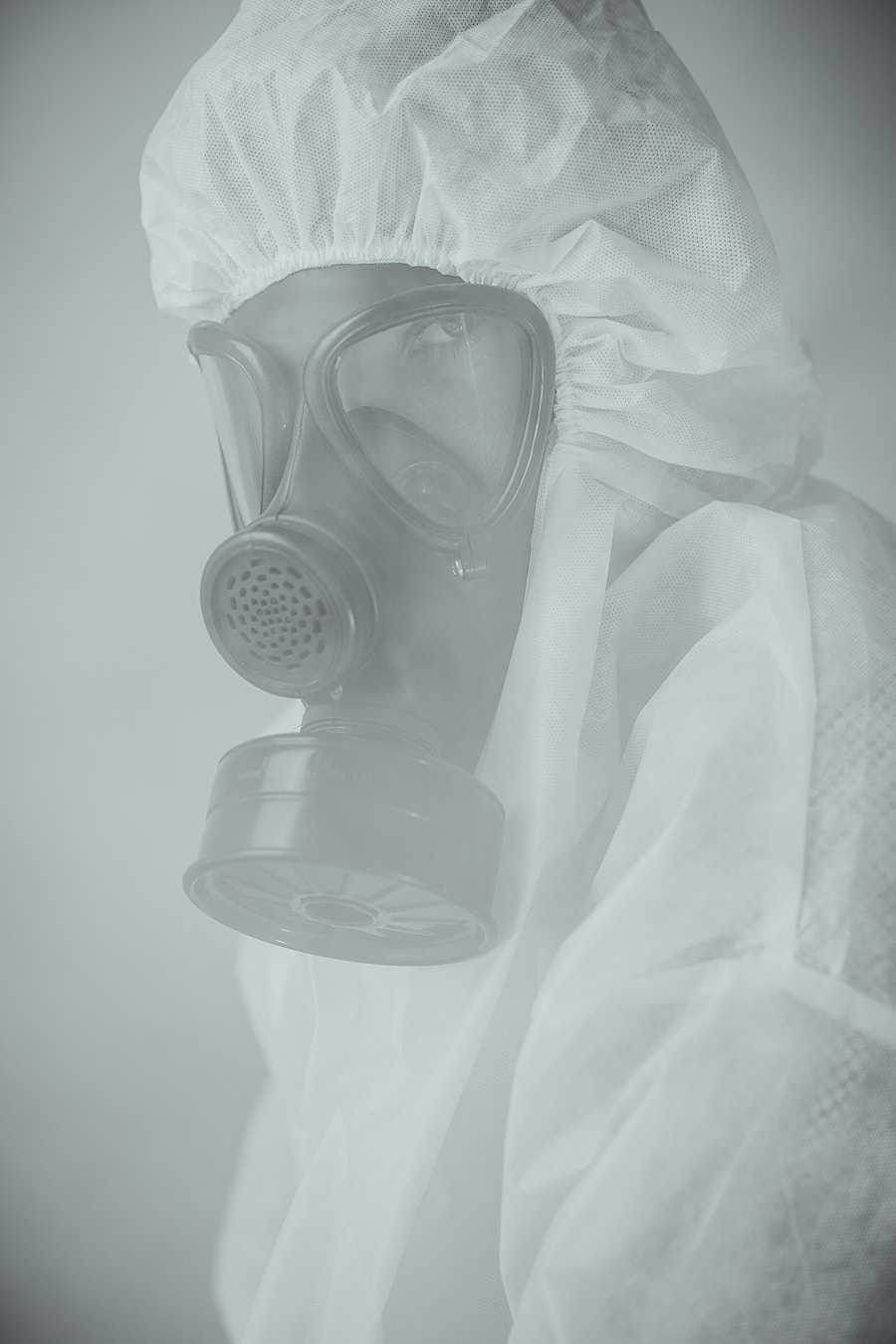
When it comes to mold removal, taking swift action is essential to prevent further growth and potential health risks. The first step is to identify the source of moisture that is allowing mold to thrive. This could be a leaky pipe, a damp basement, or even high humidity levels in the air.
Once the source is addressed, it’s time to tackle the visible mold. For small areas of mold (less than 10 square feet), homeowners can often handle the cleanup themselves using a mixture of water and detergent or a commercial mold removal product. For larger infestations or if you are unsure about handling the situation yourself, it is advisable to seek professional help.
Experts in mold remediation have the training and equipment necessary to safely remove mold while minimizing exposure risks. They will also conduct thorough inspections to ensure that all mold spores are eliminated and that the underlying moisture issues are resolved. Remember that simply painting over mold or cleaning it superficially will not solve the problem; comprehensive removal is necessary for long-term health and safety.
Tips for Dust Elimination in the Home
| Tip | Effectiveness |
|---|---|
| Regular vacuuming | Reduces dust by 80% |
| Use a HEPA filter | Traps 99.97% of dust particles |
| Wash bedding weekly | Reduces dust mites by 50% |
| Keep humidity levels low | Prevents dust mites and mold growth |
| Remove clutter | Reduces dust accumulation |
Eliminating dust from your home requires a consistent cleaning routine and some strategic approaches. Start by decluttering your living spaces; the fewer items you have around, the less dust will accumulate. Regularly vacuum carpets and rugs using a vacuum equipped with a HEPA filter to trap fine particles effectively.
Don’t forget to clean under furniture and in hard-to-reach areas where dust tends to settle unnoticed. In addition to vacuuming, dusting surfaces with a damp cloth can help capture dust rather than just moving it around. Pay special attention to electronics, shelves, and decorative items that often collect dust.
Using an air purifier with a HEPA filter can also significantly reduce airborne dust particles in your home. By implementing these tips into your cleaning routine, you can create a healthier living environment free from excessive dust accumulation.
Allergen-Proofing Your Living Space
Allergen-proofing your home is an essential step in creating a comfortable living environment for everyone, especially those with allergies or asthma.
Regularly washing bedding in hot water can also help eliminate allergens that may have settled there.
Another effective strategy is to minimize the use of carpets and rugs, as these can trap allergens like pet dander and pollen. Opt for hard flooring options that are easier to clean and maintain. Additionally, consider using air purifiers equipped with HEPA filters throughout your home to capture airborne allergens effectively.
By taking these proactive measures, you can significantly reduce allergen levels in your living space and improve overall indoor air quality.
Using Natural Remedies for Allergen and Mold Removal
Combat Mold with Vinegar
For those who prefer natural solutions over chemical products, vinegar is a powerful natural disinfectant that can be used to clean surfaces prone to mold growth. Simply mix equal parts vinegar and water in a spray bottle and apply it to affected areas. Allow it to sit for at least an hour before wiping it away with a clean cloth.
Eliminate Odors with Baking Soda
Baking soda is another versatile natural remedy that can help eliminate odors associated with mold and allergens.
Boost Cleaning Power with Essential Oils
Essential oils like tea tree oil or lavender oil also possess antifungal properties; adding a few drops to your cleaning solutions can enhance their effectiveness against mold and allergens.
By incorporating these natural remedies into your cleaning routine, you can maintain a healthier home environment without relying on harsh chemicals.
Professional Services for Mold, Dust, and Allergen Removal
While DIY methods can be effective for minor issues, there are times when professional services are necessary for comprehensive mold, dust, and allergen removal. Clean Air Pros specializes in providing top-quality services tailored to meet your specific needs. Our team of experts is trained in identifying hidden sources of mold growth and allergens while employing advanced techniques for effective removal.
When you choose Clean Air Pros, you’re not just hiring a service; you’re investing in your health and well-being. Our commitment to professionalism and reliability ensures that you receive the highest standard of care throughout the process. We encourage you to call us at (813) 362-0667 or visit our Google Maps listing to see our 5-star reviews from satisfied clients who have experienced our exceptional services firsthand.
Maintaining a Clean and Allergen-Free Environment
Once you’ve taken steps to remove mold, dust, and allergens from your home, maintaining a clean environment is crucial for long-term health benefits. Establishing a regular cleaning schedule will help keep allergens at bay; aim for weekly vacuuming and dusting sessions while deep-cleaning carpets and upholstery every few months. Additionally, monitor humidity levels within your home using a hygrometer; keeping humidity below 50% can significantly reduce mold growth potential.
Ensure proper ventilation in areas prone to moisture buildup by using exhaust fans in bathrooms and kitchens. By adopting these maintenance practices, you’ll create a healthier living space that minimizes the risk of mold, dust, and allergens while promoting overall well-being for you and your family. In conclusion, understanding the health risks associated with mold, dust, and allergens is essential for maintaining a safe living environment.
By identifying common areas for build-up, implementing effective removal strategies, utilizing natural remedies when possible, and seeking professional assistance when needed—such as from Clean Air Pros—you can significantly improve indoor air quality. Remember that maintaining cleanliness is an ongoing effort; by staying proactive about cleaning routines and allergen-proofing your home, you’ll create a healthier space for everyone who lives there. Don’t hesitate—call Clean Air Pros today at (813) 362-0667 or visit our Google Maps listing to learn more about how we can help you achieve an allergen-free home!
If you are concerned about the air quality in your home and looking to improve it, you may also want to consider getting your dryer vent professionally cleaned. According to a recent article on Clean Air Pros website, warning signs that your dryer vent needs cleaning include longer drying times, a burning smell, or excessive heat in the laundry room. By keeping your dryer vent clean, you can prevent potential fire hazards and improve the efficiency of your dryer. To learn more about the importance of dryer vent cleaning, check out the article here.
FAQs
What are common allergens found in homes?
Common allergens found in homes include mold, dust mites, pet dander, pollen, and cockroach droppings. These allergens can trigger allergic reactions and asthma symptoms in sensitive individuals.
How can mold be removed from a home?
Mold can be removed from a home by identifying and fixing any sources of moisture, such as leaks or humidity issues. Once the source of moisture is addressed, the affected areas can be cleaned with a solution of water and detergent, or a commercial mold remover. It is important to wear protective gear, such as gloves and a mask, when cleaning mold.
What is the best way to remove dust from a home?
The best way to remove dust from a home is to regularly dust surfaces with a damp cloth or microfiber cloth to trap the dust particles. Vacuuming with a HEPA filter can also help remove dust from carpets and upholstery. Additionally, using an air purifier can help capture airborne dust particles.
How can allergens be reduced in a home?
Allergens can be reduced in a home by regularly cleaning and dusting, using allergen-proof mattress and pillow covers, washing bedding in hot water, and using a HEPA filter in the vacuum cleaner and air purifier. It is also important to control humidity levels to prevent mold growth.
What are some common symptoms of allergies to mold, dust, and other allergens?
Common symptoms of allergies to mold, dust, and other allergens include sneezing, runny or stuffy nose, itchy or watery eyes, coughing, wheezing, and skin rashes. In individuals with asthma, exposure to these allergens can also trigger asthma symptoms such as chest tightness and difficulty breathing.