
Indoor air quality (IAQ) is a critical aspect of healthcare facilities that directly impacts patient health, staff well-being, and overall operational efficiency. In environments where individuals are often vulnerable due to illness or compromised immune systems, maintaining high standards of air quality is not just a preference but a necessity. Poor indoor air quality can lead to a range of health issues, including respiratory problems, allergies, and even the exacerbation of chronic conditions.
For healthcare facilities, where the primary goal is to promote healing and recovery, ensuring clean air is paramount.
Studies have shown that improved indoor air quality can enhance patient satisfaction and comfort, which are essential components of effective healthcare delivery.
When patients breathe cleaner air, they are less likely to experience discomfort or complications related to airborne contaminants. Additionally, healthcare professionals benefit from a healthier work environment, which can lead to increased productivity and reduced absenteeism. Therefore, investing in measures to improve indoor air quality, such as regular air duct cleaning, is an essential practice for healthcare facilities aiming to provide the best possible care.
Key Takeaways
- Indoor air quality is crucial in healthcare facilities for the health and safety of patients and staff.
- Common contaminants found in healthcare facility air ducts include dust, mold, bacteria, and viruses.
- Air duct cleaning in healthcare facilities can lead to improved air quality, energy efficiency, and cost savings.
- Air duct cleaning plays a vital role in preventing the spread of infections within healthcare facilities.
- Regulations and guidelines for air duct cleaning in healthcare facilities are in place to ensure the highest standards of cleanliness and safety.
Common Contaminants Found in Healthcare Facility Air Ducts
Dust and Particulate Matter
Dust and particulate matter can originate from numerous sources, including construction activities, patient movement, and even the materials used in the facility’s construction and furnishings. These particles can circulate through the air ducts and pose significant health risks to patients and staff alike.
Mold Exposure Risks
Mold spores are another prevalent concern in healthcare settings. They thrive in damp environments and can easily find their way into air ducts if moisture is present. Mold exposure can lead to serious respiratory issues and allergic reactions, particularly in sensitive individuals.
Bacterial and Viral Contamination
Additionally, bacteria and viruses can linger in air ducts, especially in areas where patients with infectious diseases are treated. The presence of these pathogens not only compromises the health of patients but also increases the risk of hospital-acquired infections (HAIs), which are a significant concern for healthcare facilities worldwide.
The Benefits of Air Duct Cleaning for Healthcare Facilities
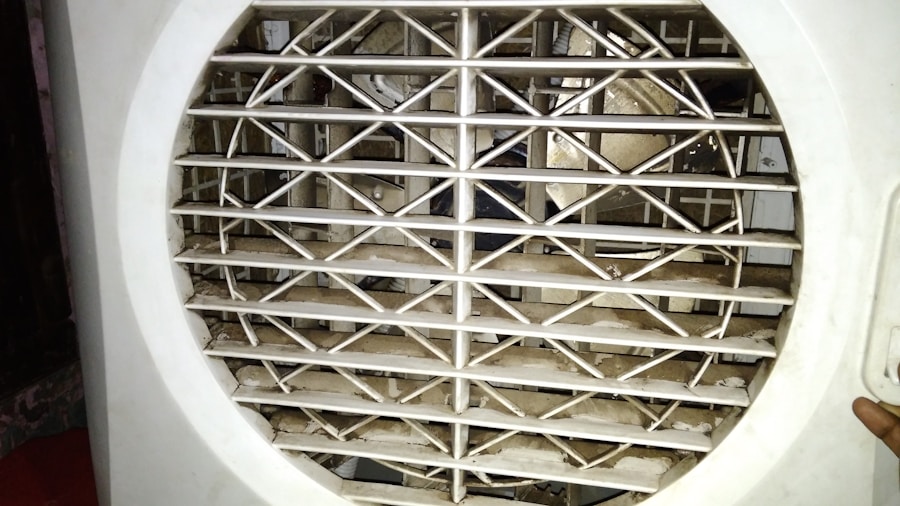
Regular air duct cleaning offers numerous benefits for healthcare facilities that go beyond mere aesthetics. One of the most significant advantages is the improvement of indoor air quality. By removing accumulated dust, allergens, and microbial contaminants from the air ducts, healthcare facilities can create a healthier environment for both patients and staff.
This proactive approach helps reduce the risk of respiratory issues and other health complications associated with poor air quality. In addition to enhancing air quality, air duct cleaning can also lead to increased energy efficiency. When air ducts are clogged with debris, HVAC systems must work harder to maintain desired temperatures, leading to higher energy consumption and costs.
By ensuring that air ducts are clean and unobstructed, healthcare facilities can optimize their HVAC systems’ performance, resulting in lower energy bills and a reduced carbon footprint. Furthermore, regular maintenance through air duct cleaning can extend the lifespan of HVAC equipment, saving facilities from costly repairs or replacements down the line. The relevant word to link is “HVAC systems”. Here is the link to a high authority source relevant to the topic: EPA – What are HVAC systems?
The Role of Air Duct Cleaning in Preventing the Spread of Infections
| Study | Reduction in Airborne Pathogens | Reduction in Infection Rates |
|---|---|---|
| University of Colorado Boulder | 90% | 50% |
| Harvard T.H. Chan School of Public Health | 85% | 40% |
| Environmental Protection Agency (EPA) | Up to 99% | Up to 60% |
Infection control is a top priority for healthcare facilities, and air duct cleaning plays a crucial role in this effort. Contaminated air ducts can serve as reservoirs for pathogens that contribute to the spread of infections within healthcare settings. By regularly cleaning and sanitizing air ducts, facilities can significantly reduce the presence of harmful microorganisms in the air supply.
This is particularly important in areas where patients with compromised immune systems are treated. Moreover, effective air duct cleaning can help mitigate the risk of airborne transmission of infectious diseases. When air ducts are clean, the likelihood of pathogens being recirculated throughout the facility decreases dramatically.
This proactive measure not only protects patients but also safeguards healthcare workers who are on the front lines of patient care. By investing in regular air duct cleaning services, healthcare facilities demonstrate their commitment to maintaining a safe and healthy environment for everyone.
Regulations and Guidelines for Air Duct Cleaning in Healthcare Facilities
Healthcare facilities must adhere to strict regulations and guidelines regarding indoor air quality and infection control. Organizations such as the Centers for Disease Control and Prevention (CDC) and the Occupational Safety and Health Administration (OSHA) provide comprehensive recommendations for maintaining clean air in healthcare settings. These guidelines emphasize the importance of regular maintenance and cleaning of HVAC systems and air ducts to prevent contamination and ensure optimal indoor air quality.
In addition to federal regulations, many states have their own specific requirements for air duct cleaning in healthcare facilities. Compliance with these regulations is essential not only for patient safety but also for avoiding potential legal repercussions. Healthcare administrators should stay informed about relevant guidelines and ensure that their facilities implement best practices for air duct maintenance.
By doing so, they can create a safer environment for patients while also protecting their staff from potential health hazards.
Choosing the Right Air Duct Cleaning Service for Healthcare Facilities
Experience and Expertise in Healthcare Environments
When choosing a service provider, it is essential to consider their experience and expertise in working with healthcare environments.
Advanced Equipment and Environmentally Friendly Solutions
Their team understands the unique challenges faced by these environments and employs industry-leading techniques to ensure thorough cleaning. Additionally, potential clients should look for companies that utilize advanced equipment and environmentally friendly cleaning solutions.
Reliability and Professionalism
Reading customer reviews and testimonials can also provide valuable insights into a company’s reliability and professionalism. By choosing a trusted partner like Clean Air Pros, healthcare facilities can rest assured that their air duct cleaning needs will be met with expertise and care.
The Process of Air Duct Cleaning in Healthcare Facilities
The process of air duct cleaning in healthcare facilities typically involves several key steps designed to ensure thorough cleaning and sanitization. Initially, technicians will conduct a comprehensive inspection of the HVAC system and ductwork to identify any areas of concern or contamination. This assessment allows them to develop a tailored cleaning plan that addresses the specific needs of the facility.
Once the inspection is complete, technicians will use specialized equipment to remove debris from the ducts effectively. This may include high-powered vacuums equipped with HEPA filters to capture even the smallest particles. In some cases, additional cleaning methods such as agitation devices or chemical treatments may be employed to eliminate stubborn contaminants like mold or bacteria.
After cleaning is complete, technicians will perform a final inspection to ensure that all areas have been adequately addressed before sealing up the ducts.
Maintaining Clean Air Ducts in Healthcare Facilities
Maintaining clean air ducts is an ongoing process that requires regular attention and care. Healthcare facilities should establish a routine maintenance schedule that includes periodic inspections and cleanings based on factors such as facility size, patient volume, and environmental conditions. Implementing a proactive maintenance plan not only helps ensure optimal indoor air quality but also extends the lifespan of HVAC systems.
In addition to scheduled cleanings, healthcare facilities can take several steps to maintain clean air ducts between professional services. Regularly changing HVAC filters is one of the simplest yet most effective measures that can significantly improve indoor air quality. Facilities should also monitor humidity levels to prevent mold growth and address any leaks or water damage promptly.
By prioritizing ongoing maintenance efforts, healthcare facilities can create a healthier environment for patients and staff while minimizing the risk of airborne contaminants. In conclusion, maintaining high indoor air quality in healthcare facilities is essential for promoting patient health and safety. Regular air duct cleaning plays a vital role in achieving this goal by removing common contaminants that can compromise air quality and contribute to infection spread.
By adhering to regulations, choosing reputable service providers like Clean Air Pros, and implementing ongoing maintenance practices, healthcare facilities can ensure a safe environment conducive to healing and recovery. If you’re looking for expert assistance with your air duct cleaning needs, don’t hesitate to call Clean Air Pros at (813) 362-0667 or visit our Google Maps listing to see our 5-star reviews!
If you are concerned about the air quality in healthcare facilities, it is essential to consider the cleanliness of air ducts. Professional cleaning of air ducts can significantly improve indoor air quality and reduce the risk of spreading harmful contaminants. In a related article, “Warning Signs Your Dryer Vent Needs Professional Cleaning: A Safety Guide,” Clean Air Pros Florida highlights the importance of maintaining clean dryer vents to prevent potential fire hazards and ensure optimal performance. To learn more about the importance of proper maintenance for various systems in healthcare facilities, including air ducts and dryer vents, check out this article.
FAQs
What is healthcare facility air duct cleaning?
Healthcare facility air duct cleaning is the process of removing dust, debris, and other contaminants from the HVAC system in healthcare facilities to improve indoor air quality and maintain a clean and healthy environment for patients, staff, and visitors.
Why is air duct cleaning important in healthcare facilities?
Air duct cleaning is important in healthcare facilities because it helps to prevent the spread of airborne contaminants, such as bacteria, viruses, and mold, which can compromise the health and safety of patients and staff. Clean air ducts also contribute to a more efficient HVAC system and can help reduce energy costs.
How often should healthcare facility air ducts be cleaned?
The frequency of air duct cleaning in healthcare facilities can vary depending on factors such as the size of the facility, the level of foot traffic, and the presence of contaminants. It is recommended that healthcare facilities follow the guidelines set by organizations such as the National Air Duct Cleaners Association (NADCA) and the American Society of Heating, Refrigerating and Air-Conditioning Engineers (ASHRAE) for determining the appropriate cleaning schedule.
What are the benefits of healthcare facility air duct cleaning?
Some of the benefits of healthcare facility air duct cleaning include improved indoor air quality, reduced risk of airborne infections, enhanced HVAC system efficiency, and a cleaner and more comfortable environment for patients, staff, and visitors.
Who should perform air duct cleaning in healthcare facilities?
Air duct cleaning in healthcare facilities should be performed by qualified and experienced professionals who have the necessary training, equipment, and knowledge of industry standards and regulations. It is important to hire a reputable and certified air duct cleaning company to ensure the job is done safely and effectively.