
In the realm of commercial buildings, air duct and ventilation systems play a pivotal role in maintaining a healthy and comfortable indoor environment. These systems are responsible for circulating air throughout the premises, ensuring that fresh air is delivered while stale air is expelled. The significance of these systems cannot be overstated, as they directly impact the air quality, energy efficiency, and overall comfort of occupants.
Poorly maintained or inefficient air duct systems can lead to a host of problems, including increased energy costs, reduced employee productivity, and even health issues stemming from poor indoor air quality. Moreover, the importance of commercial air duct and ventilation systems extends beyond mere comfort. In many industries, regulatory standards dictate the quality of air that must be maintained within commercial spaces.
For instance, healthcare facilities require stringent air quality controls to prevent the spread of infections, while manufacturing plants must adhere to specific ventilation requirements to ensure worker safety. By investing in high-quality air duct systems and ensuring their proper maintenance, businesses can not only comply with regulations but also foster a healthier work environment that promotes employee well-being and productivity.
Key Takeaways
- Regular inspections and upgrades are essential for maintaining commercial air duct and ventilation systems.
- Proper maintenance and cleaning of air ducts and ventilation systems is crucial for optimal performance and air quality.
- Implementing energy-efficient technologies can help reduce energy consumption and lower operating costs.
- Utilizing smart thermostats and controls can optimize airflow and improve overall system efficiency.
- Investing in high-quality air filters is key to improving air quality and ensuring a healthy indoor environment.
Proper Maintenance and Cleaning of Air Ducts and Ventilation Systems
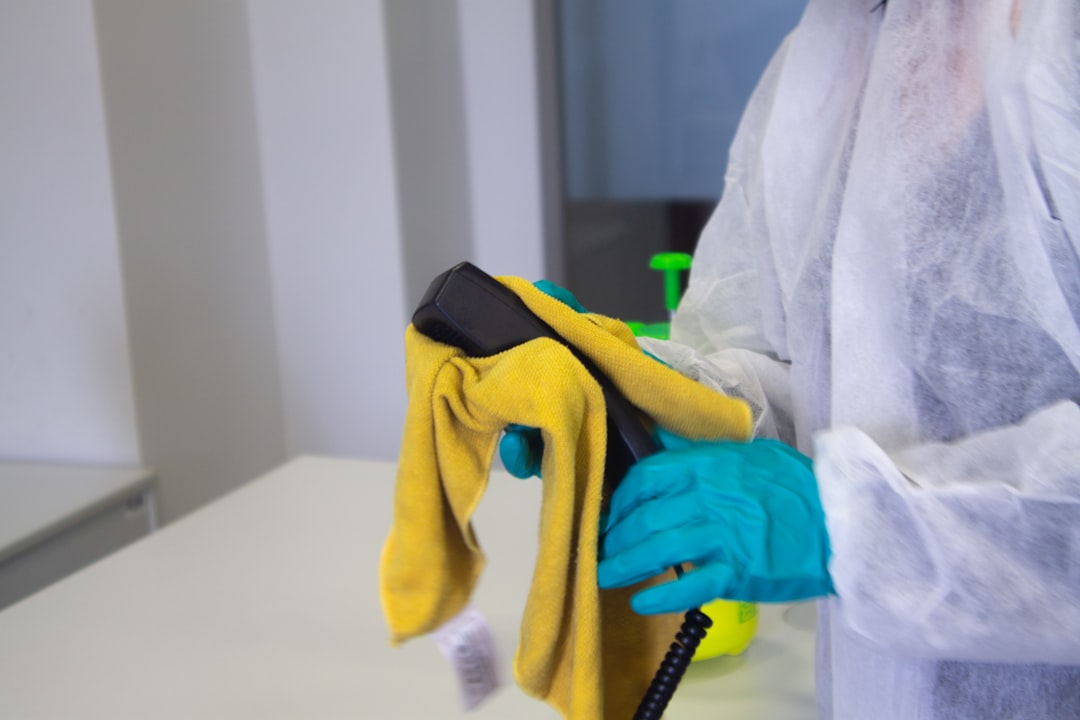
To ensure that commercial air duct and ventilation systems function optimally, regular maintenance and cleaning are essential. Over time, dust, debris, and other contaminants can accumulate within the ducts, leading to reduced airflow and compromised air quality. This buildup can also strain the HVAC system, resulting in higher energy consumption and increased wear and tear on equipment.
Therefore, it is crucial for businesses to establish a routine maintenance schedule that includes thorough inspections and cleaning of their air duct systems. Professional cleaning services, such as those offered by Clean Air Pros, can effectively remove contaminants from air ducts, improving airflow and enhancing indoor air quality. Our team of experts utilizes advanced techniques and equipment to ensure that every nook and cranny of the ductwork is thoroughly cleaned.
By investing in regular maintenance and cleaning, businesses can not only extend the lifespan of their HVAC systems but also create a healthier environment for employees and customers alike.
Implementing Energy-Efficient Technologies in Commercial Air Duct & Ventilation Systems
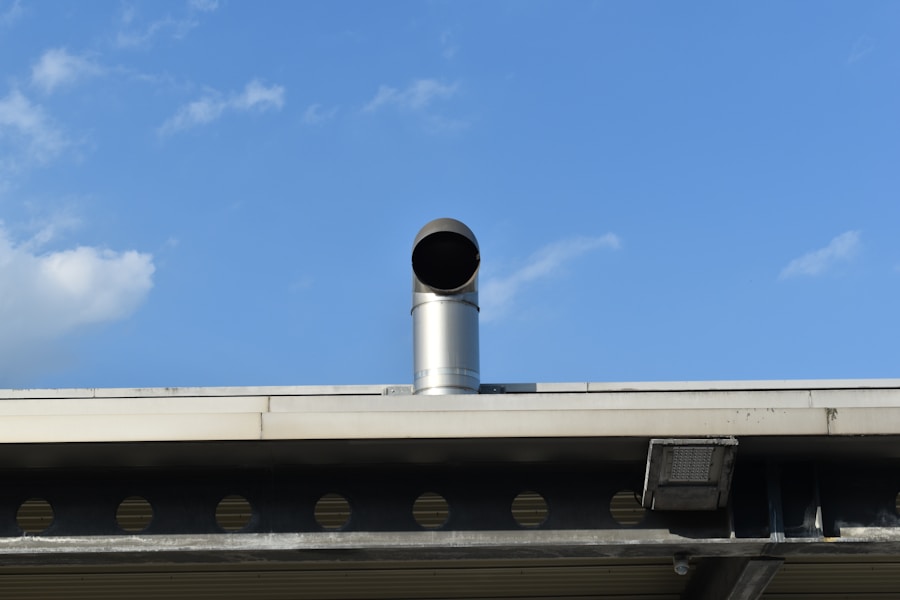
As energy costs continue to rise, businesses are increasingly seeking ways to improve the efficiency of their commercial air duct and ventilation systems. Implementing energy-efficient technologies can significantly reduce energy consumption while maintaining optimal indoor air quality. For instance, variable air volume (VAV) systems allow for precise control of airflow based on occupancy levels, ensuring that energy is not wasted on unoccupied spaces.
Additionally, integrating energy recovery ventilators (ERVs) into existing systems can enhance efficiency by capturing energy from exhaust air and using it to precondition incoming fresh air. This not only reduces the load on heating and cooling systems but also improves overall indoor air quality. By partnering with Clean Air Pros, businesses can explore various energy-efficient solutions tailored to their specific needs, ultimately leading to lower operational costs and a reduced environmental footprint.
Utilizing Smart Thermostats and Controls for Optimal Airflow
| Smart Thermostat Model | Energy Savings (%) | CO2 Emissions Reduction (lbs/year) | Cost Savings (/year) |
|---|---|---|---|
| Nest Learning Thermostat | 10-12% | 393 | up to 145 |
| Ecobee SmartThermostat | 23% | 529 | up to 180 |
| Honeywell Lyric T5 | 12-15% | 410 | up to 150 |
In today’s digital age, smart technology has revolutionized the way we manage our indoor environments. Utilizing smart thermostats and controls in commercial air duct and ventilation systems can lead to significant improvements in airflow management and energy efficiency. These advanced devices allow for real-time monitoring and adjustment of temperature settings based on occupancy patterns, ensuring that energy is used efficiently without sacrificing comfort.
Moreover, smart thermostats can provide valuable data insights that help facility managers identify trends in energy usage and airflow patterns. This information can be instrumental in making informed decisions about system upgrades or adjustments needed to optimize performance. By incorporating smart technology into their HVAC systems, businesses can not only enhance comfort levels but also achieve substantial cost savings over time.
Investing in High-Quality Air Filters for Improved Air Quality
The quality of air filters used in commercial air duct systems plays a crucial role in determining indoor air quality. High-quality filters are designed to capture a wide range of airborne contaminants, including dust, pollen, mold spores, and even harmful bacteria. Investing in superior air filters not only helps maintain a clean environment but also protects HVAC equipment from damage caused by dirt buildup.
Regularly replacing air filters is essential for ensuring optimal performance of ventilation systems. Clogged or dirty filters can restrict airflow, forcing HVAC units to work harder and consume more energy.
By prioritizing high-quality air filtration, businesses can significantly improve indoor air quality while enhancing the efficiency of their HVAC systems.
The Benefits of Regular Inspections and Upgrades for Commercial Air Duct & Ventilation Systems
Regular inspections of commercial air duct and ventilation systems are vital for identifying potential issues before they escalate into costly repairs or system failures. Routine assessments allow facility managers to evaluate the condition of ductwork, check for leaks or blockages, and ensure that all components are functioning as intended. By addressing minor issues promptly, businesses can avoid significant disruptions to operations and maintain a comfortable environment for employees and customers.
In addition to inspections, upgrading outdated components of air duct systems can yield substantial benefits. Newer technologies often offer improved efficiency, enhanced performance, and better compatibility with modern HVAC systems. Clean Air Pros specializes in providing comprehensive assessments and recommendations for upgrades tailored to your specific needs.
By investing in regular inspections and timely upgrades, businesses can maximize the lifespan of their ventilation systems while ensuring optimal performance.
Maximizing Efficiency through Proper Air Duct Design and Layout
The design and layout of commercial air duct systems play a critical role in determining their efficiency and effectiveness. Properly designed ductwork minimizes resistance to airflow, ensuring that conditioned air is evenly distributed throughout the space. Factors such as duct size, shape, and routing all contribute to the overall performance of the system.
When designing or renovating commercial spaces, it is essential to work with experienced professionals who understand the intricacies of HVAC design. Clean Air Pros offers expert consultation services to help businesses create efficient duct layouts that optimize airflow while minimizing energy consumption. By prioritizing proper design principles from the outset, businesses can achieve long-term savings on energy costs while enhancing overall comfort levels.
Training and Educating Staff on the Importance of Properly Operating Commercial Air Duct & Ventilation Systems
While investing in high-quality equipment and technology is essential for maintaining efficient commercial air duct systems, educating staff on proper operation is equally important. Employees play a crucial role in ensuring that ventilation systems function optimally by adhering to best practices for usage and maintenance. Training programs can empower staff with knowledge about how to operate thermostats effectively, recognize signs of system malfunctions, and understand the importance of regular filter changes.
By fostering a culture of awareness around indoor air quality and HVAC system operation, businesses can enhance overall performance while promoting employee well-being. Clean Air Pros offers training resources tailored to your specific needs, helping your team understand the significance of maintaining efficient ventilation systems. By investing in staff education, businesses can create a healthier work environment while maximizing the benefits of their HVAC investments.
In conclusion, commercial air duct and ventilation systems are integral components of any business’s infrastructure. Understanding their importance, implementing proper maintenance practices, utilizing energy-efficient technologies, investing in high-quality filters, conducting regular inspections, optimizing design layouts, and educating staff are all essential steps toward achieving optimal indoor air quality and energy efficiency. At Clean Air Pros, we pride ourselves on our expertise and reliability in providing top-notch services tailored to your needs.
Call us today at (813) 362-0667 or visit our Google Maps listing to see our 5-star reviews! Let us help you create a healthier work environment while maximizing your HVAC system’s performance!
If you are interested in maintaining the air quality in your home, you may also want to consider scheduling regular chimney inspections and cleanings. Clean Air Pros offers expert chimney cleaning and fireplace maintenance in Central West Florida. Having a clean chimney can help prevent fires and improve the overall air quality in your home. Check out their article on Expert Chimney Inspections in Central West Florida for more information on how to keep your home safe and healthy.
FAQs
What is commercial air duct and ventilation system?
Commercial air duct and ventilation system is a network of ducts and vents that are installed in commercial buildings to provide a controlled flow of air. This system helps in maintaining indoor air quality, regulating temperature, and removing airborne particles and contaminants.
Why is commercial air duct and ventilation system important?
Commercial air duct and ventilation system is important for maintaining a healthy and comfortable indoor environment in commercial buildings. It helps in regulating air flow, controlling temperature, and removing pollutants and contaminants from the air.
What are the common components of a commercial air duct and ventilation system?
Common components of a commercial air duct and ventilation system include ductwork, air vents, air filters, dampers, fans, and HVAC units. These components work together to ensure proper air circulation and ventilation in commercial buildings.
How often should commercial air duct and ventilation system be inspected and maintained?
Commercial air duct and ventilation system should be inspected and maintained at least once a year to ensure optimal performance and indoor air quality. Regular maintenance helps in identifying and addressing any issues with the system, such as air leaks, blockages, or mold growth.
What are the benefits of cleaning and maintaining commercial air duct and ventilation system?
Cleaning and maintaining commercial air duct and ventilation system helps in improving indoor air quality, reducing energy consumption, extending the lifespan of the system, and preventing potential health hazards associated with poor air circulation and ventilation.